
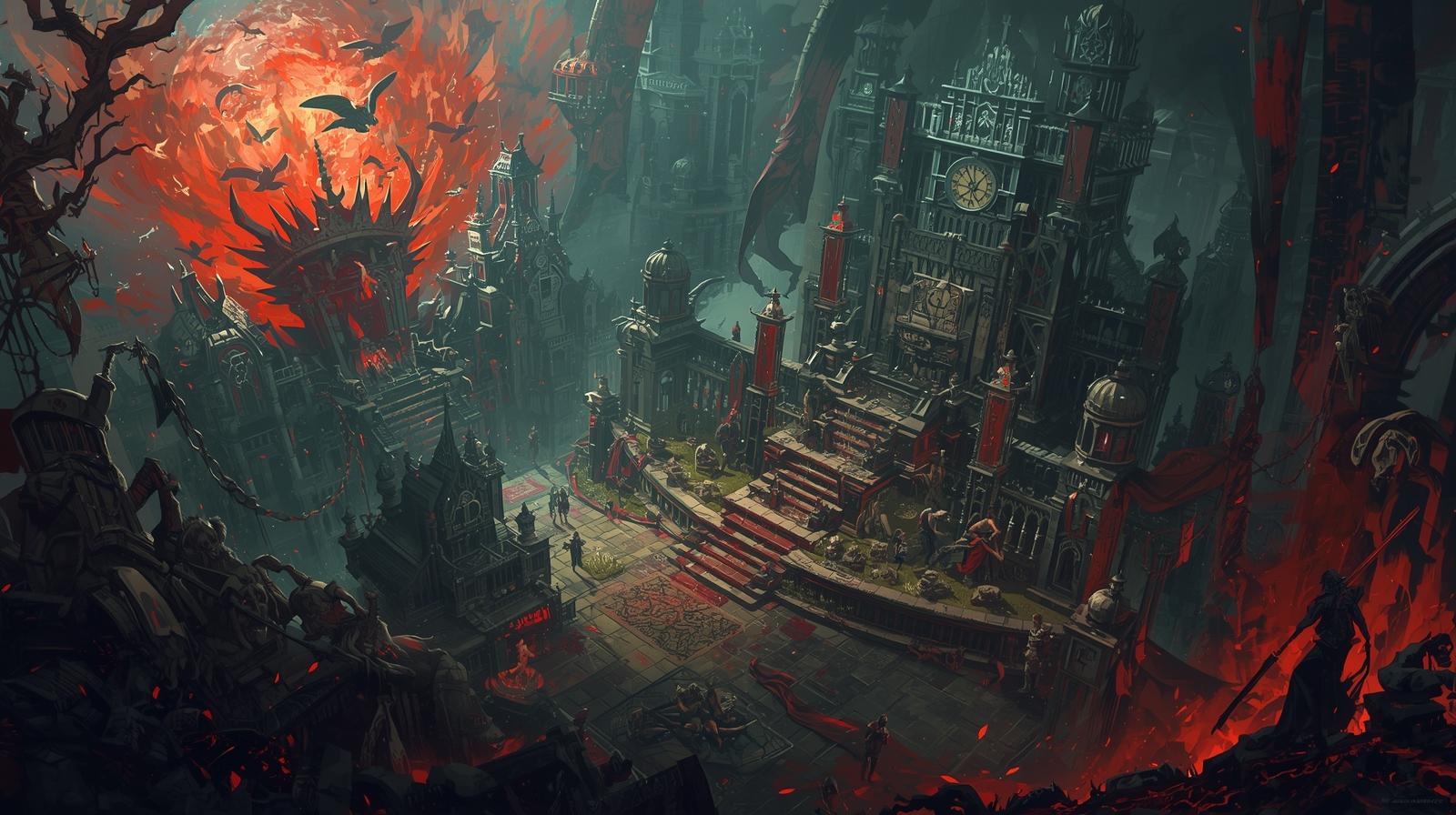
In modern gaming, many titles are designed to be accessible, forgiving, and welcoming to new players. Tutorials hold your hand, checkpoints are generous, and failure often comes with minimal consequences. But there is a special category of games that goes in the opposite direction — games that punish you for every mistake. These are experiences where a single wrong move can cost you progress, resources, or even hours of gameplay.
For some players, these games are frustrating. For others, they are deeply rewarding, offering a sense of accomplishment that few other genres can match. In this article, we’ll explore what makes these games so punishing, why players love them, and highlight some of the most notorious titles that demand near-perfect play.
What Does It Mean When a Game Punishes You?
A punishing game doesn’t just challenge your reflexes; it tests your patience, planning, and mental resilience. Mistakes are not gently corrected — they are amplified.
Common punishment mechanics include:
- Severe death penalties (loss of progress, items, or stats)
- Limited saves or checkpoints
- High enemy damage or permadeath
- Resource scarcity
- Complex mechanics with little explanation
These systems force players to learn through failure. Every action matters, and carelessness is rarely forgiven.
Why Do Players Love Punishing Games?
Despite — or because of — their difficulty, punishing games have dedicated fanbases. Here’s why:
1. Real Sense of Achievement
Overcoming a brutal boss or surviving a deadly area feels genuinely earned. Victory isn’t handed out; it’s fought for.
2. Skill-Based Progression
Instead of leveling up characters endlessly, players level up their own skills — timing, positioning, and decision-making.
3. High Stakes Gameplay
When every mistake has consequences, tension stays high. Each encounter feels meaningful.
4. Respect for Player Intelligence
Many punishing games refuse to over-explain mechanics, trusting players to learn, experiment, and adapt.
The Dark Souls Series – A Genre-Defining Punishment
No list of punishing games is complete without Dark Souls. FromSoftware’s iconic series is infamous for its unforgiving combat and cryptic design.
How Dark Souls Punishes Mistakes
- Dying causes you to lose all collected souls (currency and XP)
- You must return to your death spot to recover them — and can lose them permanently
- Enemies respawn upon death
- Bosses can kill you in seconds if you’re careless
Even basic enemies can be lethal if underestimated. Every dodge, block, and attack must be intentional.
Why It Works
Dark Souls teaches through repetition. Mistakes are lessons, not just failures. The game feels unfair at first, but mastery slowly replaces frustration.
Sekiro: Shadows Die Twice – Precision or Death
While related to Dark Souls, Sekiro takes punishment to another level. This game demands near-perfect timing.
What Makes Sekiro So Brutal?
- Enemies deal massive damage
- Blocking incorrectly can break your posture
- Boss fights require mastering parries, not grinding levels
- Limited ways to recover health mid-fight
Unlike Dark Souls, you can’t rely on different builds or overleveling. If your timing is off, you die.
The Reward
Once combat “clicks,” Sekiro becomes one of the most satisfying action games ever made. But until then, it is merciless.
Roguelikes and Roguelites – Failure Is Permanent
Roguelike games are built around punishment. Death often means starting over from the beginning.
Examples of Punishing Roguelikes
- Hades
- Dead Cells
- The Binding of Isaac
- Spelunky
Core Punishment Mechanics
- Permadeath resets progress
- Randomized levels prevent memorization
- Resources are limited and valuable
A single poor decision — wasting an item, entering the wrong room — can doom an entire run.
Why Players Keep Coming Back
Roguelikes reward knowledge and adaptability. Even when you fail, you learn something that helps on the next run.
Survival Games – Mistakes Can Cost Your Life
Survival games thrive on tension, scarcity, and harsh consequences.
Notable Punishing Survival Games
- Don’t Starve
- Subnautica (on harder modes)
- Rust
- The Long Dark
How Survival Games Punish Errors
- Poor planning leads to starvation or exposure
- Resources are finite
- Death may erase hours of progress
- Environmental hazards are unforgiving
Forgetting to prepare before leaving your base can mean a slow, unavoidable death.
Hardcore RPGs – Choices Have Consequences
Some role-playing games punish mistakes through long-term consequences rather than instant death.
Examples
- Pathologic
- Divinity: Original Sin (on higher difficulties)
- Kingdom Come: Deliverance (hardcore mode)
Types of Punishment
- Failed quests with no second chances
- Reputation loss affecting the entire game
- Permanent character debuffs
- Time-sensitive events
These games demand careful thought. Rushing dialogue or combat can permanently alter your experience.
Platformers That Show No Mercy
Platforming games are often associated with casual fun, but some are brutally precise.
Infamously Punishing Platformers
- Super Meat Boy
- Celeste (B-Sides and C-Sides)
- Hollow Knight (Path of Pain)
Why Mistakes Hurt So Much
- Pixel-perfect jumps are required
- Instant death on failure
- Long sequences without checkpoints
One wrong input sends you back to the start — again and again.
Strategy Games – One Error Can Ruin Everything
Punishment isn’t limited to action games. Strategy titles can be equally unforgiving.
Punishing Strategy Games
- XCOM (Ironman mode)
- Darkest Dungeon
- Crusader Kings (for new players)
Common Punishments
- Permanent loss of valuable units
- Snowballing failures
- No undo button
In games like XCOM, a single bad tactical decision can wipe out an entire squad you’ve invested hours into.
Why These Games Aren’t for Everyone
While punishing games can be incredibly rewarding, they aren’t universally appealing.
Common Frustrations
- Steep learning curves
- Repeated failure
- Minimal guidance
- Emotional stress
Some players prefer relaxed experiences, and that’s perfectly valid. Punishing games demand time, patience, and resilience.
Tips for Surviving Punishing Games
If you’re new to this style of game, these tips can help:
- Accept Failure as Learning – Every death teaches something.
- Be Patient – Rushing usually leads to mistakes.
- Observe Before Acting – Study enemy patterns and environments.
- Manage Resources Carefully – Waste nothing.
- Take Breaks – Frustration leads to more mistakes.
Final Thoughts: Pain With Purpose
Games that punish you for every mistake are not designed to be cruel — they are designed to be demanding. They strip away safety nets and ask players to fully engage with mechanics, timing, and strategy. When you succeed, the victory feels deeply personal.
Whether it’s the crushing difficulty of Dark Souls, the permadeath of roguelikes, or the relentless survival mechanics of hardcore games, these experiences remind us that failure can be meaningful. In a gaming world filled with convenience, punishing games stand as a testament to mastery, perseverance, and the thrill of overcoming the impossible.
If you’re willing to endure the pain, these games offer something rare: true accomplishment.