
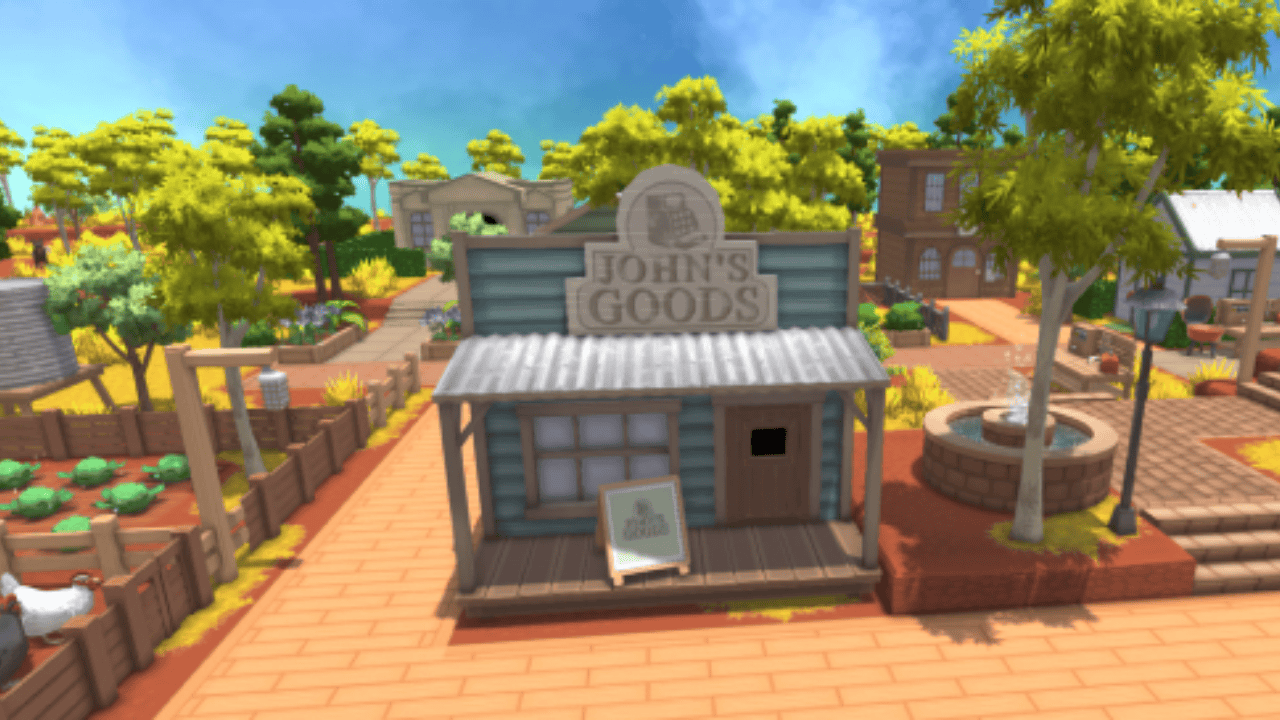
Surviving 100 days in a hardcore survival game is not just a test of skill—it’s a test of patience, strategy, and mental endurance. From fighting hunger and hostile mobs to building shelters and managing scarce resources, every decision can mean the difference between survival and starting over. In this article, I’ll take you through my 100-day hardcore survival challenge, sharing lessons learned, strategies that worked, and mistakes that nearly ended my run.
Whether you’re a seasoned survival gamer or just curious about what it takes to last 100 days in hardcore mode, this guide will give you insights, inspiration, and practical tips to improve your gameplay.
What Is a Hardcore Survival Game?
A hardcore survival game is a game mode where death is permanent. Once you die, the world is deleted or locked, meaning there are no second chances. Unlike normal survival modes, hardcore gameplay increases difficulty by:
- Stronger enemies
- Limited resources
- Harsher environmental conditions
- Permanent death mechanics
Popular hardcore survival games often include sandbox mechanics, crafting systems, and open-world exploration that force players to adapt quickly or fail.
Day 1–10: The Brutal Beginning
The first ten days were the most stressful. With no armor, no weapons, and no shelter, survival depended entirely on quick thinking.
Key Goals in the Early Game
- Gather food immediately
- Craft basic tools
- Build a temporary shelter before nightfall
- Avoid unnecessary combat
Food was my biggest challenge. Hunting animals was risky without proper weapons, so I relied heavily on foraging and basic farming. Nights were terrifying—hostile creatures roamed freely, and one mistake could end the entire run.
Lesson learned: In hardcore survival, caution beats bravery every time.
Day 11–30: Establishing Stability
Once the early survival phase was over, the focus shifted to long-term sustainability. I upgraded my shelter into a secure base with walls, lighting, and storage.
Mid-Game Priorities
- Create a reliable food source
- Craft stronger tools and armor
- Explore nearby areas carefully
- Stockpile essential resources
I started farming crops and breeding animals, which removed the constant fear of starvation. Mining became safer with better equipment, but it also introduced new dangers like traps and stronger enemies.
Pro tip: Never mine without an escape route in hardcore mode.
Day 31–50: Exploration and Risk Management
Exploration is essential in any survival game, but in hardcore mode, it’s also extremely dangerous. During this phase, I ventured farther from my base to collect rare materials and discover new biomes.
Challenges I Faced
- Ambushes by powerful enemies
- Environmental hazards
- Getting lost far from home
To reduce risk, I marked paths, carried emergency supplies, and avoided exploring at night. Even with preparation, there were close calls that almost ended the run.
Big takeaway: Preparation turns deadly risks into manageable challenges.
Day 51–70: Advanced Gear and Base Upgrades
With better resources available, I focused on upgrading my base and equipment. This stage felt rewarding because earlier hard work finally paid off.
Major Upgrades
- Reinforced base defenses
- Advanced weapons and armor
- Storage and crafting optimization
- Automated or semi-automated systems
At this point, survival became less about basic needs and more about efficiency. However, overconfidence can be deadly in hardcore mode. One careless mistake could still erase everything.
Day 71–90: Endgame Preparation
As day 100 approached, the pressure increased. I started preparing for the toughest challenges the game had to offer.
Endgame Focus Areas
- Stockpiling rare resources
- Preparing for boss fights or major events
- Strengthening defenses
- Eliminating unnecessary risks
I avoided reckless exploration and focused on controlled progression. Every encounter was calculated, and every resource had a purpose.
Important mindset: Surviving longer doesn’t mean you’re safe—hardcore mode is unforgiving.
Day 91–100: The Final Stretch
The final ten days were surprisingly intense. While I had strong gear and a secure base, the fear of making a single fatal mistake was constant.
What Helped Me Survive
- Staying disciplined
- Avoiding risky experiments
- Playing defensively
- Sticking to proven strategies
When day 100 finally arrived, the sense of achievement was incredible. Surviving 100 days in a hardcore survival game felt like completing a marathon—exhausting, stressful, and deeply rewarding.
Top Tips for Surviving 100 Days in Hardcore Mode
If you’re planning your own 100-day hardcore survival challenge, here are some essential tips:
- Play cautiously – Avoid unnecessary fights
- Secure food early – Starvation is a silent killer
- Always prepare – Carry backups and escape plans
- Upgrade gradually – Don’t rush dangerous content
- Respect the game – Overconfidence ends runs
Why Hardcore Survival Games Are So Addictive
Hardcore survival games create tension like no other genre. The permanent death mechanic forces players to think strategically and value every achievement. Surviving 100 days isn’t just about skill—it’s about discipline, planning, and learning from mistakes.
These games reward patience and punish carelessness, making every success feel earned.
Final Thoughts: Was It Worth It?
Absolutely. Surviving 100 days in a hardcore survival game was one of the most intense gaming experiences I’ve ever had. The constant pressure, the thrill of close calls, and the satisfaction of long-term survival made every moment unforgettable.
If you’re looking for a challenge that truly tests your abilities, hardcore survival mode is worth trying. Just remember—one mistake can change everything.
Ready for Your Own 100-Day Hardcore Survival Challenge?
Prepare wisely, stay alert, and respect the danger. Your survival story could be even better than mine.
Good luck—and don’t die on day one. 💀🎮